Criminal Justice Process
Understanding the Criminal Justice Process
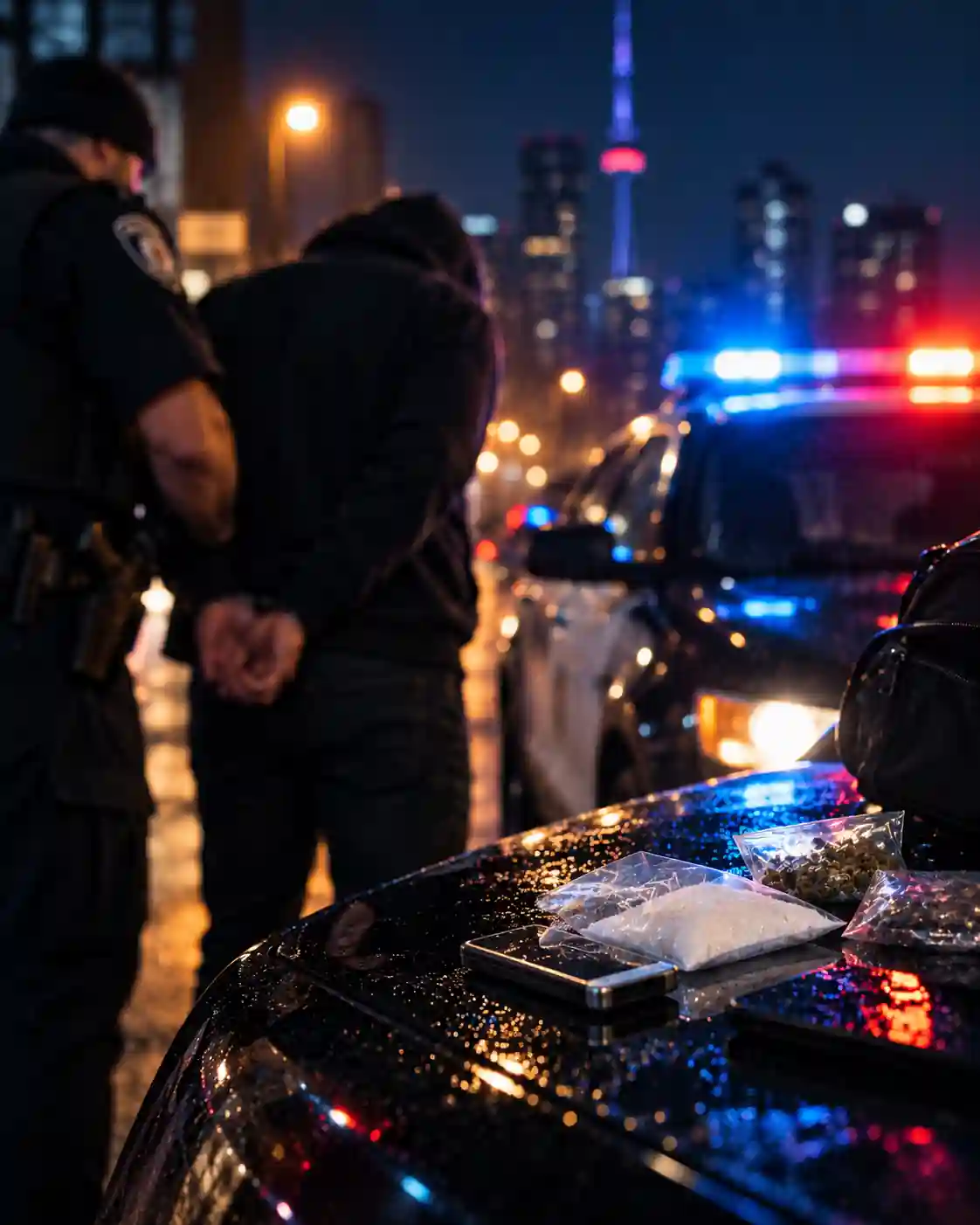
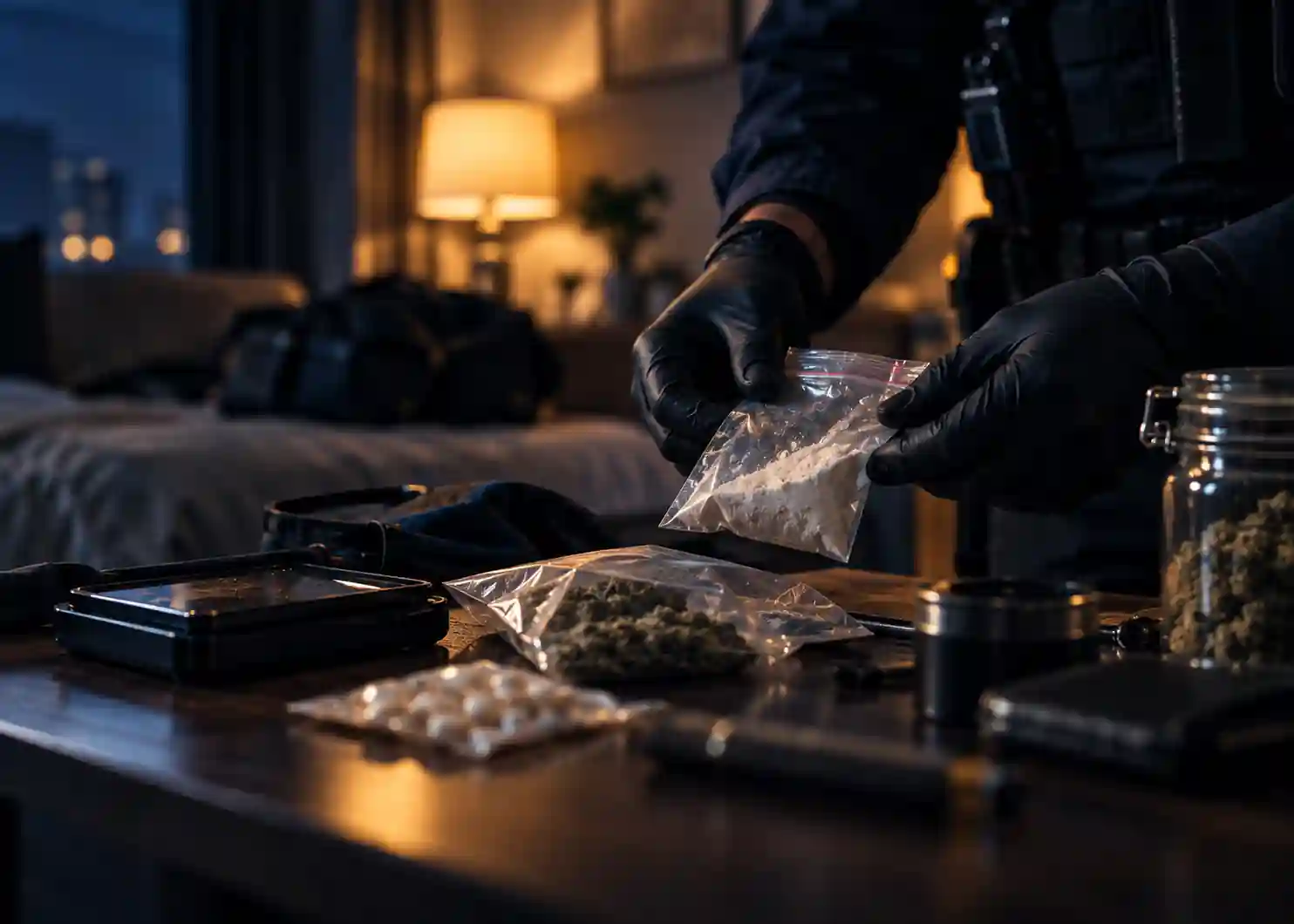
A drug case can begin with a police investigation, traffic stop, search, arrest, seizure, or execution of a search warrant. The investigation may involve physical evidence as well as digital information, surveillance, statements, or communications. Understanding the sequence of events can be important when evaluating whether evidence was lawfully obtained.
Disclosure is a major part of criminal defence preparation. Depending on the case, it can include police notes, photographs, video, search-warrant materials, surveillance records, laboratory reports, statements, expert information, and records concerning seized substances. Defence counsel can review these materials to understand the prosecution's theory and identify areas requiring further investigation.
If the matter proceeds to trial, the Crown must prove the required elements of the offence beyond a reasonable doubt. Defence counsel can challenge appropriate evidence, cross-examine witnesses, raise applicable Charter arguments, and present the defence position. The appropriate approach depends on the charge and evidence in the individual drug case.