Impaired Driving & DUI Charges in Brampton, Ontario

Impaired or over-80 DUI

Impaired driving commonly referred to as a DUI is one of the most frequently prosecuted criminal offences in Ontario. A charge under the Criminal Code of Canada carries mandatory minimum penalties, an immediate licence suspension, and a criminal record if convicted. The consequences extend well beyond the courtroom: employment, professional licences, travel to the United States, and insurance rates are all affected by a DUI conviction.

If you have been charged with impaired driving, “over 80,” or refusal to provide a breath sample in Brampton or the Greater Toronto Area, Saggi Law Firm is available 24 hours a day, 7 days a week. Call 647-983-6720 now the earlier legal advice is obtained, the more options are available.

What Is Impaired Driving Under the Criminal Code of Canada?

Impaired driving offences in Canada are governed by Part VIII.1 of the Criminal Code of Canada, as amended by Bill C-46 in 2018. The 2018 amendments significantly changed how impaired driving is investigated and prosecuted in Ontario expanding police powers, introducing new drug-impaired driving offences, and strengthening mandatory minimum penalties.

The core impaired driving offences under the current law are:

s. 320.14(1)(a) – Operation while impaired by alcohol or drug Operating a conveyance while the ability to do so is impaired by alcohol, a drug, or a combination of both. “Impairment” is assessed by the totality of the evidence including officer observations, field sobriety tests, and breath or blood test results.

s. 320.14(1)(b) – Over 80 (Blood Alcohol Concentration) Operating a conveyance with a blood alcohol concentration (BAC) of 80 milligrams or more of alcohol per 100 millilitres of blood within two hours of operating the vehicle. This is the most commonly charged impaired driving offence in Ontario.

s. 320.14(1)(c) and (d) – Drug-Impaired Driving Operating a conveyance with a blood drug concentration exceeding the prescribed legal limit for THC, cocaine, methamphetamine, or other regulated drugs.

s. 320.15 – Refusal to Provide a Breath or Blood Sample Failing or refusing to comply with a lawful demand for a breath or blood sample. Refusal is a criminal offence carrying the same mandatory minimum penalties as an over 80 charge.

s. 320.13(2) – Impaired Driving Causing Bodily Harm Operating while impaired where the impairment causes bodily harm to another person. A straight indictable offence carrying up to 14 years imprisonment.

s. 320.13(3) – Impaired Driving Causing Death The most serious impaired driving offence, carrying a maximum penalty of life imprisonment.

DUI Penalties in Ontario

Penalties for impaired driving convictions in Canada are mandatory minimums, the court has no discretion to impose less than the minimum. They increase significantly with each subsequent offence.

First Offence

Element Penalty
Minimum fine $1,000
Driving prohibition Minimum 1 year
Ignition interlock Required upon reinstatement
Criminal record Yes – permanent

Second Offence

Element Penalty
Minimum imprisonment 30 days
Driving prohibition Minimum 2 years
Ignition interlock Minimum 2 years
Criminal record Yes – permanent

Third and Subsequent Offences

Element Penalty
Minimum imprisonment 120 days
Driving prohibition Minimum 3 years
Ignition interlock Minimum 3 years (potentially lifetime)
Criminal record Yes – permanent

Ontario Administrative Penalties (separate from Criminal Code)

In addition to criminal penalties, Ontario’s Highway Traffic Act imposes immediate administrative consequences:

  • Immediate roadside licence suspension – 90 days upon a fail reading or refusal
  • Vehicle impoundment – 7 days for a first occurrence
  • Remedial measures program – mandatory Back on Track program
  • Reinstatement fees – payable to the Ministry of Transportation

These administrative penalties apply before any criminal court proceeding begins and are separate from any sentence imposed by a court upon conviction.

The DUI Arrest Process in Ontario

Understanding what happens after a DUI arrest helps you make better decisions and exercise your rights at each stage.

Roadside stop – Police must have reasonable grounds to make a traffic stop. A random, unjustified stop may be challenged on Charter grounds.

Approved Screening Device (ASD) – Police may demand a roadside breath sample using an ASD. A “fail” or “warn” reading provides grounds for an arrest and a formal breath demand.

Right to counsel – Upon arrest, police must immediately advise you of your right to retain and instruct a lawyer without delay under s. 10(b) of the Canadian Charter of Rights and Freedoms. They must give you a genuine opportunity to contact legal counsel before proceeding with formal breath testing.

Approved Instrument (AI) testing – At the police station, a qualified technician administers two formal breath tests using a government-approved instrument. The results form the core of the Crown’s over-80 case.

Release – Most first-time DUI accused are released on an Undertaking or Promise to Appear, with conditions including a prohibition on driving until the matter is resolved.

DUI Defences in Ontario

A DUI charge is not automatically a conviction. An experienced DUI lawyer reviews every aspect of the investigation for grounds to challenge the evidence.

Unlawful Roadside Stop – s. 9 Charter

Police must have an objectively justifiable reason for stopping a vehicle. An arbitrary or random stop violates s. 9 of the Charter. Where the stop was unlawful, everything obtained as a result including breath test results may be excluded under s. 24(2).

Right to Counsel Violation – s. 10(b) Charter

Police must advise you of your right to a lawyer and provide you with a genuine, timely opportunity to exercise that right before demanding a formal breath sample. Any delay, interference, or failure to facilitate access to counsel may result in the exclusion of the breath test evidence.

Approved Screening Device Procedure

The roadside ASD result cannot itself be used as evidence of impairment, it can only provide grounds for an arrest and a formal breath demand. Challenges to how the ASD was administered, whether it was properly calibrated, and whether the demand was lawfully made are available in appropriate cases.

Approved Instrument Accuracy and Maintenance

The formal breath test results from the Approved Instrument are presumed accurate under the Criminal Code but that presumption can be challenged in certain circumstances, including where there are reasonable grounds to believe the instrument was malfunctioning or where the testing procedure was not followed correctly.

Two-Hour Rule

The over-80 offence under s. 320.14(1)(b) applies where BAC exceeds 80mg at the time of testing, within two hours of operating the vehicle. Where there is a genuine dispute about whether the BAC at the time of driving exceeded the legal limit. For example, where alcohol was consumed after the accused stopped driving the timing of consumption is a live defence issue.

“Last Drink” Defence

Where the accused consumed a significant amount of alcohol immediately before driving such that their BAC at the time of driving was under 80mg but rose above 80mg during the absorption period before testing, this may be established as a defence. This argument requires expert evidence on alcohol absorption rates.

The 2018 Criminal Code Amendments – What Changed

Bill C-46 came into force in December 2018 and made the most significant changes to Canada’s impaired driving laws in decades. Key changes relevant to your defence include:

Mandatory roadside screening – Police may now demand a breath sample from any driver they lawfully stop, without requiring any suspicion of impairment. This expanded power has been subject to ongoing Charter litigation across Canada.

Two-hour rule – The offence now applies within two hours of operating the vehicle, not just at the time of driving. This closes the “bolus drinking” loophole but also creates new defence arguments around post-driving consumption.

Drug-impaired driving – New blood drug concentration limits were established for THC, cocaine, methamphetamine, and other substances. Oral fluid screening devices are now authorised for roadside use.

Stronger presumptions – The previous “care or control” presumption was modified. New presumptions supporting breath test result accuracy were introduced, changing the evidentiary landscape for defence challenges.

Staying current with these changes and their ongoing judicial interpretation is essential for effective DUI defence. Saggi Law Firm practises exclusively in criminal law and maintains current knowledge of impaired driving jurisprudence across Ontario.


Why Choose Saggi Law Firm for DUI Charges in Brampton

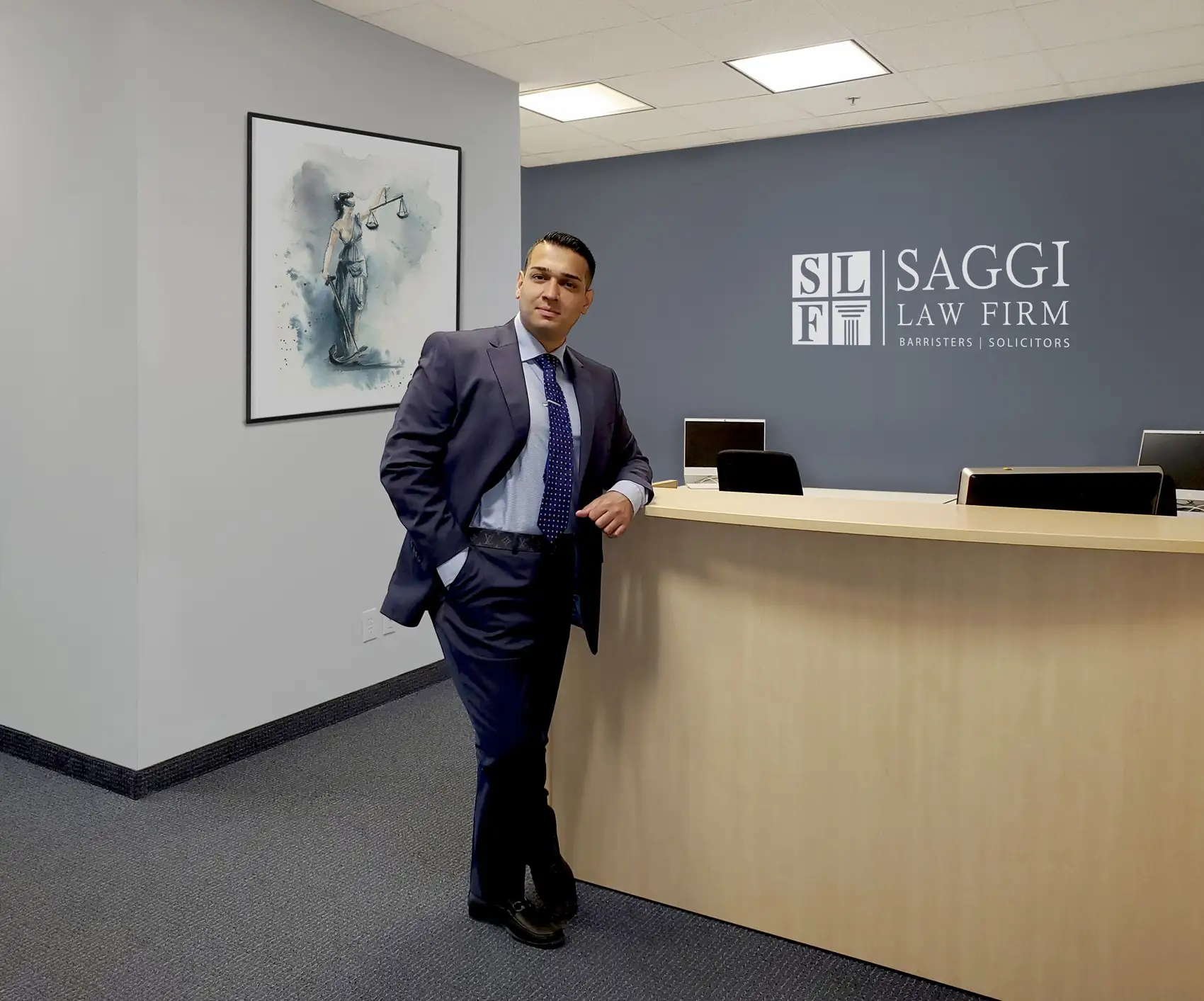
Saggi Law Firm has defended clients facing impaired driving charges at Brampton Courthouse and across the GTA since 2009. Every file is handled personally by Mandeep Saggi called to the Ontario Bar in 2009 and a member in good standing of the Law Society of Ontario.

On every DUI file, Saggi Law Firm:

  • Reviews police notes, ASD records, Approved Instrument maintenance and calibration records, and officer training certificates
  • Assesses whether the roadside stop was lawfully made
  • Examines the right-to-counsel timeline to identify any s. 10(b) violation
  • Considers whether the two-hour presumption applies and whether any timing defence is available
  • Advises honestly on the realistic range of outcomes before any plea decision is made

For a full explanation of the DUI process from arrest to court, see our DUI lawyer Brampton guide.


Frequently Asked Questions – DUI and Impaired Driving Ontario

What is the difference between impaired driving and “over 80” in Canada?

Impaired driving under s. 320.14(1)(a) of the Criminal Code is based on the totality of evidence that the accused’s ability to drive was impaired officer observations, field sobriety test performance, and general condition. “Over 80” under s. 320.14(1)(b) is based specifically on a blood alcohol concentration exceeding 80mg/100ml within two hours of driving. Both are separate criminal offences and a person can be charged with both arising from the same incident.

Will I lose my licence immediately after a DUI charge in Ontario?

Yes. In Ontario, an administrative licence suspension is imposed immediately at the roadside upon a fail reading or a refusal before any criminal court proceedings begin. This 90-day suspension is separate from any driving prohibition that may be imposed by the court upon a criminal conviction. The two consequences run independently under the Highway Traffic Act and the Criminal Code respectively.

Can a DUI charge be won at trial in Ontario?

Yes. DUI charges can be successfully defended at trial most commonly through Charter applications excluding breath test evidence, challenges to the lawfulness of the roadside stop, or establishing violations of the accused’s right to counsel. The strength of any defence depends on the specific facts of the investigation, which is why a thorough review of Crown disclosure is the first step in every DUI file.

How long does a DUI case take in Brampton?

Most DUI matters in Brampton proceed through the Ontario Court of Justice. Simple matters including early guilty pleas may resolve within three to six months. Contested matters involving Charter applications or trial typically take 12 to 24 months from the date of arrest. The timeline depends on court scheduling, the complexity of the disclosure, and whether the matter proceeds to trial.

Does a DUI conviction affect travel to the United States?

Yes. A DUI conviction under the Criminal Code of Canada is considered a crime of moral turpitude under United States immigration law and may result in denial of entry at the US border. The consequences vary depending on the number of convictions, the date of the offence, and the specific circumstances. This is one of the most significant collateral consequences of a DUI conviction and should be discussed with a criminal defence lawyer before any plea is entered.


Charged With DUI in Brampton? Contact Saggi Law Firm

Saggi Law Firm offers a free, confidential consultation for clients facing impaired driving charges in Brampton, Mississauga, Vaughan, and across the Greater Toronto Area. Every consultation is protected by solicitor-client privilege.

Call 647-983-6720 — available 24 hours a day, 7 days a week.

Contact Saggi Law Firm


Saggi Law Firm | DUI Lawyer Brampton, Ontario | 2250 Bovaird Drive East, Unit 401, Brampton, ON L6R 0W3 | 647-983-6720 | Available 24/7 | English & Punjabi | Member – Law Society of Ontario

Everyone is innocent until proven guilty.