What Is Sexual Assault in Canada? Understanding Canadian Law, Consent and Criminal Charges
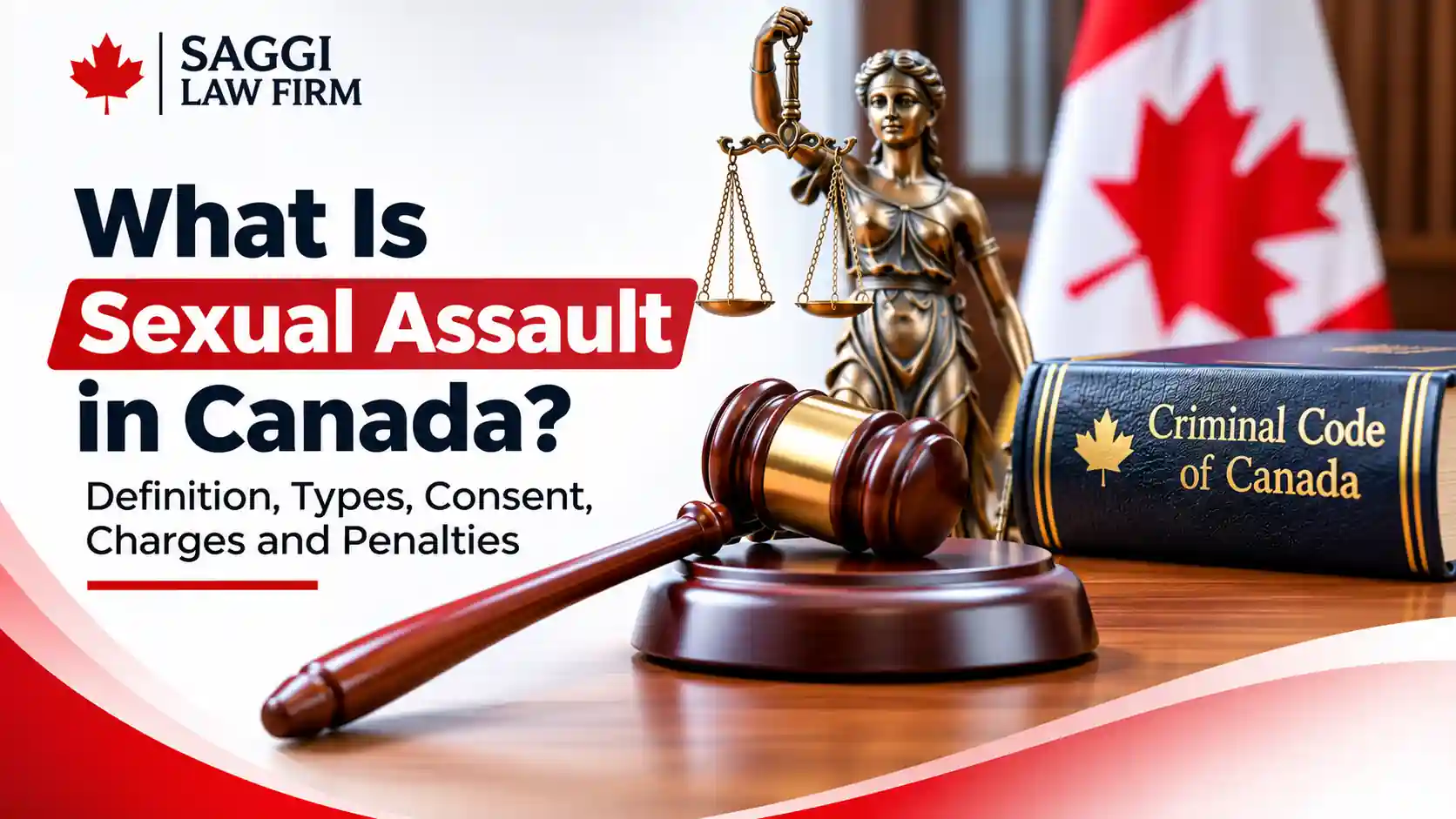
Sexual assault is a serious criminal offence in Canada that involves unwanted sexual contact or sexual activity without the voluntary consent of the other person. Under the Canadian Criminal Code, sexual assault can include unwanted sexual touching, non-consensual sexual activity, and other forms of sexual violence, whether or not physical injuries occur. The offence is primarily addressed under Section 271 of the Criminal Code of Canada, while Sections 272 and 273 cover more serious forms involving weapons, bodily harm, threats, or life-threatening circumstances. Understanding what constitutes sexual assault, how consent works under Canadian law, and what penalties may apply is important for anyone facing an allegation or seeking legal protection.
Department of Justice Canada+2
What Is Sexual Assault Under Canadian Law?
The sexual assault definition in Canada focuses on whether an assault occurred in circumstances of a sexual nature and whether the complainant voluntarily agreed to the sexual activity. Under Section 271 of the Criminal Code, sexual assault is a criminal offence that protects individuals against unwanted sexual contact and violations of their sexual integrity.
Sexual assault does not necessarily require physical force, visible injuries, or resistance. A person may commit sexual assault through unwanted touching or sexual contact even when no weapon is involved and no physical harm is apparent.
What Counts as Sexual Assault in Canada?
Examples of conduct that may constitute sexual assault include:
Touching someone’s private body parts without consent.
Kissing or touching another person against their wishes.
Engaging in sexual activity without voluntary agreement.
Continuing sexual contact after someone withdraws consent.
Using force, threats, or intimidation to obtain sexual contact.
Taking advantage of someone who is unconscious or incapable of consenting.
Each situation must be assessed according to its specific circumstances and the applicable provisions of Canadian criminal law.
Understanding Consent in Canadian Sexual Assault Cases
Consent is one of the most important legal elements in sexual assault cases. Section 273.1 of the Criminal Code defines consent as the voluntary agreement of the complainant to participate in the specific sexual activity.
Consent must exist at the time the activity takes place. Agreeing to one sexual act does not automatically mean agreeing to another, and consent can be withdrawn at any point.
When Is There No Legal Consent?
Canadian law recognizes several circumstances in which consent is not legally obtained, including:
The agreement comes from someone other than the complainant.
The complainant is unconscious or incapable of consenting.
Consent is obtained through an abuse of trust, power, or authority.
The complainant communicates a lack of agreement.
The complainant initially agrees but later withdraws consent.
What Is Affirmative Consent?
Affirmative consent refers to a voluntary and genuine agreement to participate in sexual activity. Silence, lack of physical resistance, or a previous relationship does not automatically establish consent.
Under Canadian law, a person’s belief in consent is also subject to strict legal requirements. Section 273.2 addresses circumstances in which an accused cannot rely on a claimed belief in consent as a defence.
Department of Justice Canada+1
Types of Sexual Assault in Canada
Canadian law recognizes different categories of sexual assault depending on the nature of the conduct, the circumstances, and the harm involved.
1. Level 1 Sexual Assault
Level 1 sexual assault is prosecuted under Section 271 of the Criminal Code. It generally involves sexual contact without consent that does not involve the additional aggravating circumstances covered by Sections 272 or 273.
Examples may include unwanted sexual touching, non-consensual kissing, or other unwanted sexual contact.
2. Level 2 Sexual Assault
Level 2 sexual assault is commonly used to describe sexual assault with a weapon, threats to another person, or bodily harm under Section 272.
This category includes circumstances where an accused:
Carries, uses, or threatens to use a weapon.
Threatens bodily harm to someone other than the complainant.
Causes bodily harm to the complainant.
Chokes, suffocates, or strangles the complainant.
Participates in the offence with another person.
The maximum punishment is generally 14 years of imprisonment, with specific mandatory minimum penalties applying in certain circumstances.
Department of Justice Canada+1
3. Aggravated Sexual Assault
Aggravated sexual assault is addressed under Section 273 of the Criminal Code. It applies when an individual commits sexual assault and wounds, maims, disfigures, or endangers the complainant’s life.
It is an indictable offence that can carry a maximum sentence of life imprisonment. Specific mandatory minimum penalties apply in certain firearm-related cases and cases involving complainants under 16.
Department of Justice Canada+1
Common Examples and Forms of Sexual Assault
Sexual assault can happen in different environments and relationships. The identity of the accused does not determine whether the conduct constitutes a criminal offence.
Common Situations
Examples include:
Date rape: Sexual activity without consent during a date or romantic encounter.
Acquaintance sexual assault: Unwanted sexual contact involving someone the complainant knows.
Marital sexual assault: Sexual activity without consent between married spouses.
Sexual assault by a partner: Non-consensual sexual contact within an intimate relationship.
Drug-facilitated sexual assault: Sexual activity involving someone whose ability to consent has been compromised by drugs or alcohol.
Sexual assault against minors: Sexual offences involving children or young persons, subject to Canadian age-of-consent laws.
Historical sexual assault: Allegations concerning incidents that allegedly occurred in the past.
Sexual Assault Without Physical Force
Physical force is not always necessary for conduct to constitute sexual assault. Unwanted sexual touching or sexual activity without voluntary agreement may fall within Section 271 even when there are no visible injuries or threats.
Age of Consent in Canada
The general age of consent to sexual activity in Canada is 16 years. However, the Criminal Code provides close-in-age exceptions.
For example, a 14- or 15-year-old may consent to sexual activity with a partner who is less than five years older, provided there is no relationship of trust, authority, dependency, or exploitation.
Additional protections apply to younger children. The age of consent may also be higher in relationships involving trust, authority, dependency, or exploitation.
Importantly, sexual activity without consent is a criminal offence regardless of the ages of the individuals involved.
Ministère de la Justice
Difference Between Sexual Assault, Sexual Abuse and Sexual Harassment
These terms are related but have different legal meanings.
| Term | Meaning |
|---|---|
| Sexual assault | Criminal conduct involving an assault of a sexual nature without consent. |
| Sexual abuse | A broader term describing abusive sexual conduct, particularly involving exploitation or vulnerable individuals. |
| Sexual harassment | Unwelcome sexual comments, conduct, requests, or advances, which may violate human rights or employment laws and can sometimes involve criminal conduct. |
| Sexual violence | An umbrella term covering different forms of sexual harm and abuse. |
Sexual Assault vs. Rape
Rape is a commonly used term for non-consensual sexual penetration. However, Canadian criminal law generally prosecutes this conduct under the broader sexual assault framework rather than maintaining a separate general offence called rape.
Sexual assault can include a much wider range of unwanted sexual contact, including touching without penetration.
Sexual Assault vs. Physical Assault
Physical assault generally involves the intentional application of force without consent or other conduct covered by the assault provisions. Sexual assault involves an additional sexual nature or context.
For more information about assault offences, read our guide to assault under Canadian criminal law.
Sexual Assault Charges and Penalties in Canada
Sexual assault charges can have serious consequences, including imprisonment, a criminal record, and long-term personal and professional difficulties.
The applicable punishment depends on the offence, the circumstances, the complainant’s age, the accused’s criminal history, and other relevant sentencing considerations.
Sexual Assault Sentencing Guidelines
The following table summarizes the statutory maximum penalties under the relevant Criminal Code provisions.
| Offence | Maximum imprisonment |
|---|---|
| Level 1 sexual assault (Section 271) | 10 years |
| Level 1 involving a complainant under 16 (indictment) | 14 years |
| Level 2 sexual assault (Section 272) | 14 years |
| Aggravated sexual assault (Section 273) | Life imprisonment |
Section 271 also provides different penalties for summary conviction proceedings, including a maximum of two years less a day. Mandatory minimum sentences apply in specified circumstances.
These are statutory penalties, not predictions of the sentence a particular accused person will receive.
Department of Justice Canada+2
Summary Conviction vs. Indictable Offence
Level 1 sexual assault is a hybrid offence, meaning the Crown prosecutor can proceed by summary conviction or indictment.
Indictable proceedings generally involve more serious criminal procedures and potentially higher maximum penalties. Sections 272 and 273 are indictable offences.
Criminal Record Consequences
A sexual assault conviction can affect:
Employment opportunities and professional licensing.
Immigration and citizenship applications.
International travel and visa eligibility.
Professional and personal reputation.
Eligibility for certain positions involving vulnerable individuals.
Future legal proceedings and sentencing.
A conviction may also result in additional court orders and registration requirements, depending on the circumstances and applicable legislation.
How Does the Sexual Assault Investigation Process Work?
Sexual assault investigations involve several stages, from initial reporting to possible prosecution and trial.
1. Reporting the Allegation
A person who experiences sexual assault can report the incident to the police. Reporting may involve providing details about the incident, the individuals involved, and any available evidence.
2. Police Investigation
Police officers may collect information, interview witnesses, review communications, and investigate the allegations.
3. Evidence Collection
Evidence in sexual assault cases may include:
DNA evidence and forensic examination results.
Medical evidence and relevant medical records.
Witness statements.
Text messages and emails.
Photographs and digital evidence.
Other information relevant to the allegations.
The absence of DNA evidence or physical injuries does not automatically establish that an assault did not occur.
4. Criminal Prosecution
If charges are pursued, the Crown prosecutor evaluates the available evidence and presents the prosecution’s case.
The prosecution must establish the elements of the alleged offence beyond a reasonable doubt.
5. Trial and Court Proceedings
The trial process may involve witness testimony, cross-examination, legal arguments, and judicial decisions about admissible evidence.
Section 276 of the Criminal Code places restrictions on using evidence of a complainant’s other sexual activity to support prohibited inferences about consent or credibility.
Department of Justice Canada+1
What Happens If Someone Is Accused of Sexual Assault?
Being accused of sexual assault is a serious legal matter. An allegation does not automatically mean that someone is guilty. Every accused person has the right to a fair legal process and the presumption of innocence.
What to Do If Accused of Sexual Assault
If you are facing sexual assault allegations in Canada, consider taking the following steps:
Seek advice from an experienced criminal defence lawyer as early as possible.
Avoid discussing the allegations publicly or on social media.
Preserve relevant messages, emails, photographs, and other potentially important evidence.
Follow all police, court, and bail conditions.
Avoid contacting the complainant if prohibited by a court order.
Do not destroy, alter, or fabricate evidence.
Possible Legal Defence Considerations
Every sexual assault case requires an individual legal assessment. Depending on the evidence, relevant legal issues may include:
Whether the alleged sexual activity occurred.
Whether the complainant voluntarily consented.
Whether the accused had an honest but mistaken belief in consent that is legally available under Section 273.2.
Whether the identification or credibility evidence is reliable.
Whether the police investigation followed proper legal procedures.
Whether the prosecution can prove every element beyond a reasonable doubt.
False sexual assault allegations can also raise complex legal issues. However, an allegation should not be assumed to be false simply because it is disputed.
Why Legal Representation Matters
A criminal defence lawyer can review the allegations, assess the available evidence, explain the charges, advise on bail conditions, and represent the accused throughout the criminal proceedings.
Legal representation may also be important during plea negotiations, trial preparation, sentencing, and an appeal following conviction.
What Should You Do After Experiencing Sexual Assault?
Anyone who experiences sexual assault should know that support and legal protection are available.
Consider these steps:
Contact emergency services if you are in immediate danger.
Seek medical attention and appropriate healthcare support.
Consider contacting local sexual assault support services.
Preserve potentially relevant messages, photographs, and other evidence.
Contact police if you wish to report the incident.
Obtain legal advice about your rights and available options.
Historical sexual assault allegations may also be reported. There is no general limitation period for prosecuting indictable offences under the Criminal Code, although the applicable procedure and circumstances must be assessed individually.
How Saggi Law Firm Can Help With Criminal Law Matters
Sexual assault allegations and criminal charges can create significant legal challenges for everyone involved. Understanding Canadian criminal law, the applicable Criminal Code provisions, and the available legal options is essential when dealing with these matters.
Saggi Law Firm provides criminal law services and legal guidance for individuals seeking assistance with serious criminal allegations.
Whether you need advice about sexual assault charges, evidence, criminal proceedings, or other assault-related offences, obtaining appropriate legal guidance can help you understand your position and make informed decisions.
Get Legal Guidance for Your Criminal Law Matter
If you are facing a criminal allegation or need advice about an assault-related legal matter, consider seeking professional legal assistance. Early legal advice can help you understand your rights, responsibilities, and available options.
Contact Saggi Law Firm to discuss your legal concerns and explore the appropriate next steps.
Frequently Asked Questions About Sexual Assault in Canada
1. What is sexual assault in simple terms?
Sexual assault is an assault of a sexual nature involving sexual contact or activity without the voluntary consent of the other person. It is a criminal offence under Section 271 of the Canadian Criminal Code.
2. What are the three levels of sexual assault in Canada?
The commonly used classifications are Level 1 sexual assault under Section 271, Level 2 sexual assault involving a weapon, threats, or bodily harm under Section 272, and aggravated sexual assault under Section 273.
3. Can you be charged with sexual assault without physical evidence?
Yes. Physical injuries, DNA evidence, or forensic findings are not mandatory in every sexual assault prosecution. Courts assess the admissible evidence and determine whether the prosecution has established guilt beyond a reasonable doubt.
4. Can a husband or wife be charged with sexual assault in Canada?
Yes. Marriage does not create automatic consent to sexual activity. A spouse can be charged with sexual assault if the legal requirements of the offence are established.
5. What is the age of consent in Canada?
The general age of consent is 16 years. However, close-in-age exceptions and additional protections apply under specific circumstances.
6. Is sexual harassment the same as sexual assault?
No. Sexual harassment generally involves unwelcome sexual conduct, comments, or advances, while sexual assault involves an assault of a sexual nature. Some conduct may fall under both legal frameworks depending on the circumstances.
7. What is the punishment for sexual assault in Canada?
The maximum punishment for Level 1 sexual assault is generally 10 years of imprisonment when prosecuted by indictment, increasing to 14 years when the complainant is under 16. Level 2 carries a maximum of 14 years, while aggravated sexual assault can result in life imprisonment.
8. Can historical sexual assault allegations be prosecuted?
Yes. Historical sexual assault allegations can be investigated and prosecuted. The applicable legal procedures and available evidence depend on the circumstances of the case.
9. What should I do if I am falsely accused of sexual assault?
Seek advice from a qualified criminal defence lawyer, preserve relevant evidence, comply with court conditions, and avoid discussing the allegations publicly. A lawyer can assess the evidence and identify appropriate legal defences.
10. Do I need a lawyer for sexual assault charges?
Legal representation is strongly recommended because sexual assault charges can involve complex criminal law, evidence rules, court proceedings, and serious penalties.