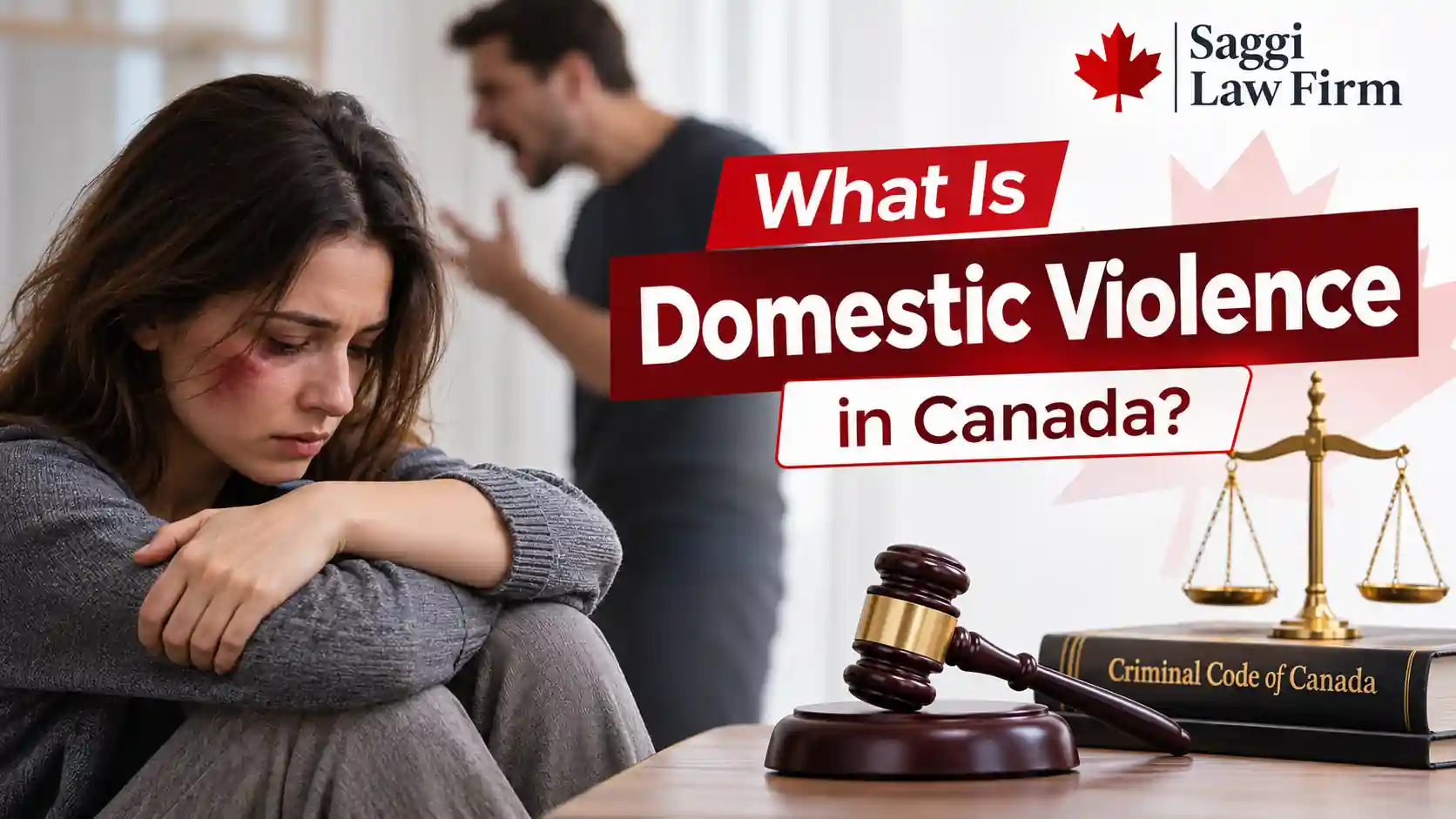
What Is Domestic Violence in Canada? Understanding Its Types, Laws, and Legal Consequences
Domestic violence is a serious issue that affects individuals, families, and communities across Canada. It involves abusive behaviour used by one person to control, intimidate, threaten, or harm another person within a domestic or family relationship. Although physical violence is commonly associated with domestic abuse, it can also involve emotional, psychological, sexual, verbal, and financial abuse. These behaviours may occur between married couples, common-law partners, dating partners, former spouses, and other family members.
Understanding what domestic violence means under Canadian law is important for recognizing abuse, protecting victims, and understanding the legal consequences for individuals accused of committing an offence. Depending on the circumstances, domestic violence may result in criminal charges, protection orders, restrictions on parenting arrangements, and other legal proceedings.
This guide explains the domestic violence definition in Canada, common warning signs, relevant criminal offences, victim protection options, and how legal assistance can help individuals navigate domestic violence cases.
What Is Domestic Violence?
Domestic violence refers to a pattern of abusive, threatening, or controlling behaviour committed by one person against another within a family, intimate, or domestic relationship. It is commonly associated with intimate partner violence (IPV), spousal abuse, partner abuse, and family violence.
Domestic violence is not limited to married couples or people living together. It can occur in dating relationships, common-law partnerships, relationships between former partners, and other family settings.
The meaning of domestic violence extends beyond physical injuries. A person may experience abuse through threats, intimidation, humiliation, isolation, financial restrictions, stalking, harassment, or coercive control.
Is Domestic Violence a Crime in Canada?
Domestic violence is not a single, standalone criminal offence under the Criminal Code of Canada. Instead, behaviour associated with domestic abuse may constitute several criminal offences depending on the circumstances.
For example, an abusive partner may face charges involving assault, sexual assault, uttering threats, criminal harassment, or forcible confinement. The specific charge depends on the conduct, available evidence, and applicable legal provisions.
It is also important to understand that conduct can be abusive without necessarily meeting the legal requirements of a criminal offence. Family law, provincial protection legislation, and other legal remedies may also apply.
What Are the Different Types of Domestic Violence?
Domestic abuse can take several forms, and more than one type may occur within the same relationship. Recognizing these behaviours is important because abuse does not always leave visible injuries.
1. Physical Abuse
Physical abuse involves intentionally using physical force against another person. Examples include hitting, slapping, punching, kicking, choking, pushing, restraining, or throwing objects at someone.
Physical violence may cause visible injuries, internal injuries, emotional trauma, or long-term health consequences. Under Canadian criminal law, certain acts of physical force may constitute assault.
2. Emotional and Psychological Abuse
Emotional abuse involves behaviour intended to undermine another person’s confidence, dignity, or emotional well-being.
Examples include constant humiliation, insults, manipulation, threats, intimidation, and deliberately making someone feel worthless or afraid.
Psychological abuse may also involve controlling behaviour, isolation from friends and relatives, monitoring communications, and restricting personal independence.
3. Sexual Abuse
Sexual abuse involves sexual activity or contact without valid consent. It may include unwanted touching, sexual assault, sexual coercion, or forcing someone to participate in sexual activities.
Marriage or an intimate relationship does not remove a person’s right to consent. Sexual assault can occur between spouses, dating partners, and former partners.
4. Financial Abuse
Financial abuse occurs when someone uses money or financial resources to control another person.
Examples include preventing a partner from accessing bank accounts, taking their earnings, creating debts in their name, restricting employment opportunities, or withholding money for essential needs.
5. Verbal Abuse, Threats, and Intimidation
Verbal abuse may involve repeated insults, shouting, humiliation, threatening language, or aggressive communication intended to frighten or control someone.
Threatening to cause physical harm, damage property, or harm family members may also have criminal implications depending on the circumstances.
6. Coercive Control and Stalking
Coercive control involves a pattern of behaviour intended to dominate another person and restrict their freedom. It may include monitoring movements, controlling finances, isolating a partner, and repeatedly threatening or intimidating them.
Stalking and harassment can involve unwanted communications, following someone, monitoring their activities, or repeatedly contacting them in circumstances that cause reasonable fear for their safety.
What Are the Common Signs of Domestic Violence?
Domestic violence is not always immediately recognizable. Some individuals experience gradual changes in their relationships before identifying the behaviour as abuse.
Common warning signs of an abusive relationship include:
- A partner constantly monitors your phone, messages, or location.
- You are prevented from meeting friends or family members.
- Your partner controls your finances or employment decisions.
- You regularly experience threats, insults, or humiliation.
- You feel afraid of disagreeing with your partner.
- Your partner uses physical force during arguments.
- You are pressured into unwanted sexual activities.
- Your partner threatens to harm you, your children, or themselves to control your decisions.
- You experience repeated intimidation, stalking, or harassment.
Understanding the Cycle of Abuse
Some abusive relationships involve recurring patterns of tension, abusive incidents, apologies, and temporary periods of calm.
However, not every domestic violence situation follows the same cycle. Abuse can happen suddenly, repeatedly, or escalate over time.
The underlying pattern may involve power and control, where one person attempts to restrict another person’s independence and decision-making.
What Are the Causes and Effects of Domestic Violence?
There is no single cause of domestic violence. Factors such as learned abusive behaviour, entitlement, controlling attitudes, unresolved conflict, substance misuse, and broader social circumstances may contribute to abusive behaviour. However, these factors do not excuse violence or make the victim responsible.
Effects of Domestic Abuse
Domestic violence can have serious consequences for victims and their families, including:
- Physical injuries and long-term health problems.
- Anxiety, depression, fear, and emotional distress.
- Financial instability and loss of independence.
- Social isolation and damaged relationships.
- Disruption to employment, education, and daily activities.
- Emotional and developmental difficulties for children exposed to violence.
Domestic violence against women is widely recognized as a significant social and legal concern. However, men can also experience domestic violence, and abuse can occur in same-sex relationships and other family arrangements.
Children who witness or experience domestic violence may also require protection and appropriate support. Elder abuse is another form of family violence that can involve physical, emotional, financial, or psychological mistreatment.
What Are the Domestic Violence Laws in Canada?
Domestic violence laws in Canada involve federal criminal legislation and provincial or territorial family and protection laws.
The Criminal Code of Canada establishes criminal offences that may apply to domestic abuse. Provincial and territorial legislation provides additional legal remedies concerning family relationships, emergency protection, and personal safety.
Criminal Code Offences Related to Domestic Violence
Depending on the facts, domestic violence may involve the following criminal offences:
Assault under Section 265: Section 265 of the Criminal Code defines assault, including the intentional application of force without consent, as well as certain attempted or threatened applications of force.
Sexual Assault: Sexual assault involves non-consensual sexual contact and is addressed under the Criminal Code.
Uttering Threats: Section 264.1 addresses threats to cause death or bodily harm, among other specified threats.
Criminal Harassment: Section 264 addresses conduct such as repeatedly following, communicating with, or watching someone in circumstances that cause them reasonably to fear for their safety.
Forcible Confinement: Section 279(2) addresses unlawfully confining, imprisoning, or forcibly seizing another person.
Other offences may apply depending on the facts and evidence.
Can Domestic Violence Lead to Criminal Charges?
Yes. A person accused of committing domestic violence may face domestic assault charges or other criminal charges if the available evidence supports an offence.
Potential domestic violence consequences include arrest, court appearances, release conditions, no-contact restrictions, criminal convictions, fines, and imprisonment, depending on the offence and circumstances.
A domestic relationship does not automatically establish guilt. Criminal responsibility must be determined through the applicable legal process.
What Legal Protection Is Available to Domestic Violence Victims in Canada?
Canadian law provides several mechanisms that may help protect individuals experiencing domestic violence.
Restraining Orders and Protection Orders
A restraining order may restrict another person from contacting, approaching, or communicating with an individual. The availability, requirements, and procedure depend on the province or territory and the circumstances of the case.
Some jurisdictions also provide emergency protection orders or similar urgent remedies for individuals facing domestic violence.
Peace Bonds and No-Contact Orders
A peace bond under Section 810 of the Criminal Code may be available where a person has reasonable grounds to fear that another individual will cause personal injury or damage property, subject to the statutory requirements.
A no-contact order may also be imposed as part of criminal release conditions or a court order. It can prohibit communication or contact with an alleged victim.
Breaching applicable court-ordered conditions may result in additional criminal consequences.
Family Court, Child Custody, and Parenting Arrangements
Domestic violence can significantly affect family law proceedings, particularly where children are involved.
A family court may consider family violence when determining the best interests of a child, including decisions about:
- Child custody and decision-making responsibility.
- Parenting time and parenting arrangements.
- Supervised visitation or supervised parenting time.
- Restrictions intended to protect children and other family members.
- Divorce and separation-related matters.
The court considers the relevant evidence and applicable provincial or federal family law.
How to Report Domestic Violence in Canada
Anyone experiencing domestic violence should prioritize immediate safety. If someone is in immediate danger, they should call 911 or contact local emergency services.
For non-emergency situations, individuals may consider the following steps:
- Contact local police to report suspected criminal behaviour.
- Reach out to a domestic violence shelter or crisis hotline.
- Contact victim services for information about available support.
- Seek legal advice about protection orders and other legal remedies.
- Develop a safety plan with a qualified support organization.
People who are planning to leave an abusive relationship should consider doing so with appropriate safety support, particularly where threats, stalking, or physical violence are involved.
How to Prove Domestic Violence
Evidence may be important in criminal proceedings, family court applications, and protection order requests.
Depending on the circumstances, relevant evidence may include:
- Photographs of injuries or damaged property.
- Medical records and treatment documentation.
- Text messages, emails, and threatening communications.
- Police reports and incident records.
- Witness statements.
- Relevant financial records.
- A personal record of incidents, including dates and descriptions.
Evidence should be collected and preserved safely and lawfully. Individuals should not put themselves at risk to obtain evidence.
Where Can Domestic Violence Victims Get Help in Canada?
Individuals experiencing domestic violence can access support through various organizations and services, including:
- Domestic violence shelters and women’s shelters.
- Local crisis hotlines and emergency services.
- Provincial and territorial victim services.
- Community support organizations.
- Legal aid services.
- Family lawyers and criminal lawyers.
Available services differ across Ontario, British Columbia, Alberta, Quebec, Manitoba, Saskatchewan, Nova Scotia, New Brunswick, Newfoundland and Labrador, Prince Edward Island, Yukon, Northwest Territories, and Nunavut.
People concerned about domestic violence and immigration status should also seek qualified legal advice. Immigration consequences depend on the individual’s circumstances and applicable immigration legislation.
How Can a Domestic Violence Lawyer Help?
Domestic violence cases can involve complicated criminal, family, and protection-related legal issues. Whether someone is reporting abuse, seeking protection, responding to domestic assault charges, or dealing with parenting disputes, understanding their legal rights is essential.
A lawyer may help by explaining applicable legislation, reviewing evidence, advising on criminal proceedings, addressing release conditions, and assisting with relevant court applications.
If you are facing an assault allegation or need legal information about criminal proceedings, Saggi Law Firm can help you understand the legal issues involved. Learn more about our criminal assault legal services.
Legal advice is particularly important when domestic violence allegations involve criminal charges, disputed evidence, child custody, restraining orders, or potential immigration consequences.
Frequently Asked Questions About Domestic Violence in Canada
What qualifies as domestic violence in Canada?
Domestic violence may include physical, sexual, emotional, psychological, verbal, and financial abuse, as well as threats, stalking, harassment, and controlling behaviour within a domestic or family relationship.
Can domestic violence happen without physical abuse?
Yes. Domestic violence can involve emotional manipulation, financial restrictions, intimidation, threats, isolation, and psychological abuse without physical violence.
Is emotional abuse considered domestic violence?
Emotional abuse may constitute domestic violence in family and support contexts. Whether particular conduct also amounts to a criminal offence depends on the circumstances and applicable legal requirements.
Can men be victims of domestic violence?
Yes. Domestic violence can affect men, women, and individuals in same-sex relationships. Anyone experiencing abuse may seek appropriate protection and support.
Can domestic violence affect child custody in Canada?
Yes. Family violence is a relevant consideration when courts determine the best interests of a child and make decisions about parenting arrangements and decision-making responsibility.
What happens after a domestic assault charge?
The accused may be arrested or released under specific conditions, attend court proceedings, and face prosecution. The outcome depends on the evidence, applicable law, and circumstances of the case.
Can I get a restraining order against my partner?
Depending on the province or territory and the circumstances, you may be eligible to apply for a restraining order or another form of legal protection. A lawyer can explain the available options.
Conclusion: Understand Your Legal Rights and Protection Options
Domestic violence can take many forms, ranging from physical assault and sexual abuse to financial control, intimidation, and psychological manipulation. Understanding what domestic violence means in Canada can help individuals recognize abusive behaviour, access appropriate support, and make informed decisions about their legal options.
Canadian criminal and family laws provide different mechanisms for addressing domestic violence, protecting individuals, and considering the safety of children and families. Anyone affected by domestic violence or facing related criminal allegations should obtain appropriate legal guidance to understand their rights, responsibilities, and available remedies.
Saggi Law Firm encourages individuals dealing with domestic violence-related legal concerns to seek qualified legal advice and understand the legal options available in their circumstances.